A MODERN FABLE
In a modern fable, Jonah enters a supernatural house that feeds on dependency, a closed system where occupants are physically bound to their vice. When escape becomes impossible, he must face his own addiction, reject the Trap House’s seduction, and battle its crushing resistance to reach what is waiting for him outside.
The Trap House is thematically about dependency and agency, where salvation is not given freely but must be fought for, one step at a time.
CORINTHIANS 10.13
No temptation has overtaken you except what is common to mankind. And God is faithful; he will not let you be tempted beyond what you can bear. But when you are tempted, he will also provide away out so that you can endure it.
DIRECTOR’S STATEMENT
The Trap House is a surreal psychological horror that operates as a modern fable about dependency. Driven equally by setting and character, I wanted to explore the traps we choose for ourselves and the systems of dependency that we embrace but ultimately do us harm.
Every character within the house is bound to something external, drugs, escapism, love, and the house itself functions as a closed ecosystem that feeds on those needs. It is not simply a location, but an active antagonist: a living structure sustained by the inability of its inhabitants to let go.
Two of the film’s central characters draw from Old Testament archetypes. Jonah is a man resisting transformation, forced into confinement and reckoning, not by a whale, but by a house that swallows him whole. His suffering is a sustained physiological and psychological pressure that demands self-reflection. Ruth, another inhabitant, remains tethered by loyalty to someone who cannot yet leave, for her escape is possible but emotionally unbearable.
The house’s address, 10:13 Corinth, references 1 Corinthians 10:13, a verse about temptation and endurance. A way through exists, but it is painful and requires genuine spiritual growth. The exit is not hidden; it is resisted.
The film externalizes addiction and dependency as a physical force. The narrative is experienced through a lens of somatic horror: a visual language that renders internal psychological states as tangible, bodily experiences. The space stretches, breathes, and pushes back. The horror does not come from what is seen, but from what is felt. The audience is invited to experience this physical pressure.
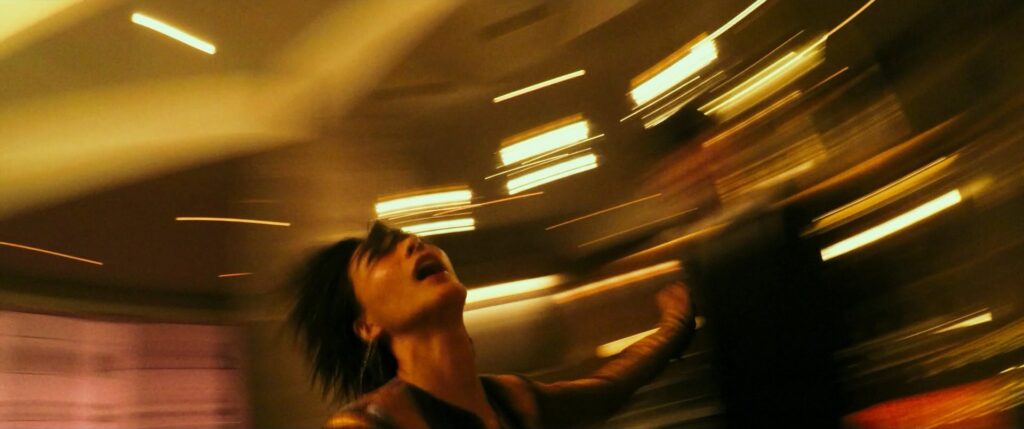
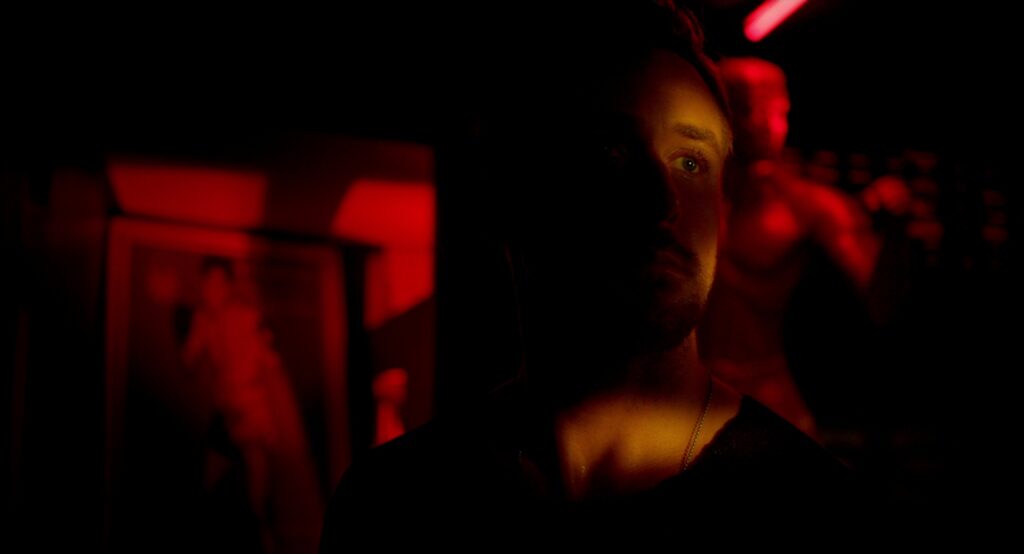
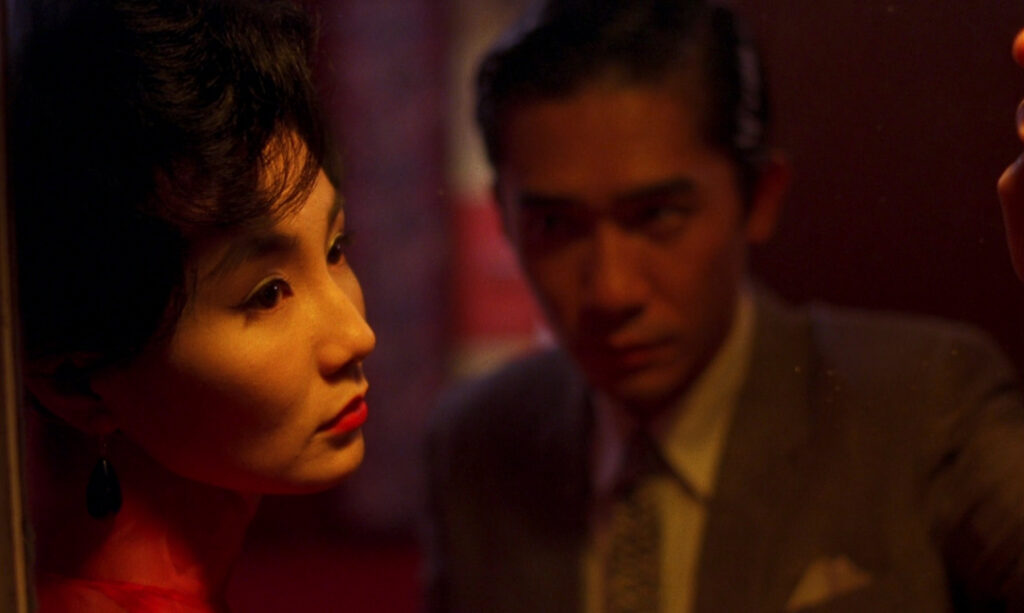
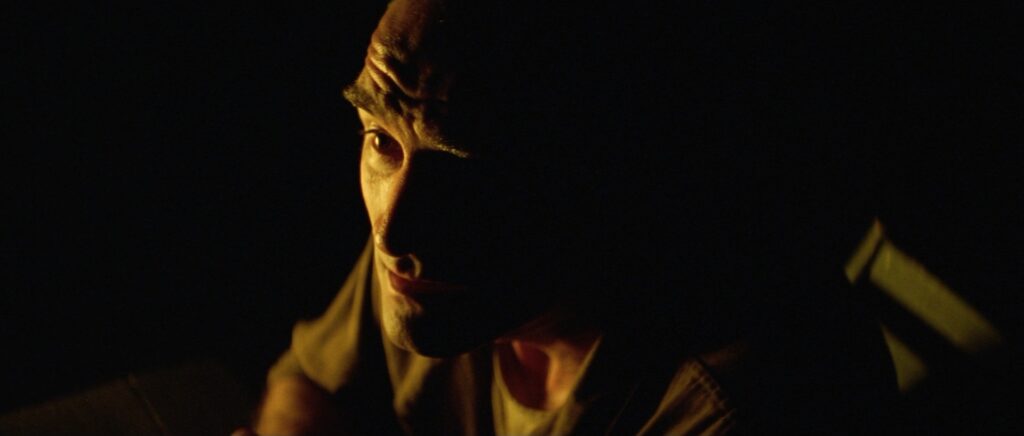
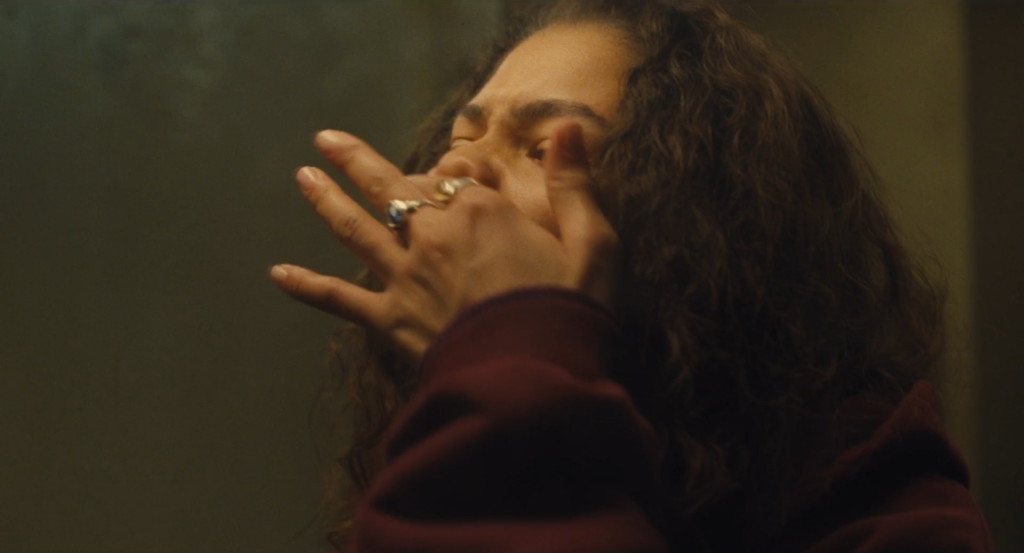
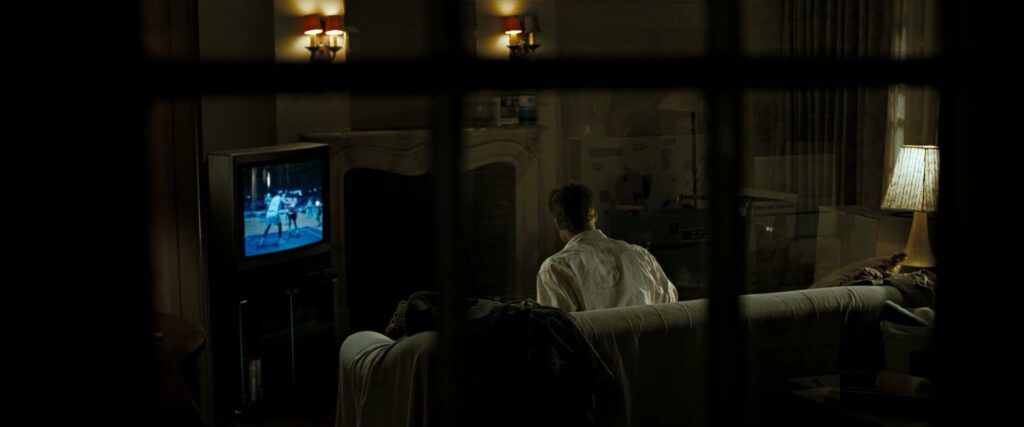
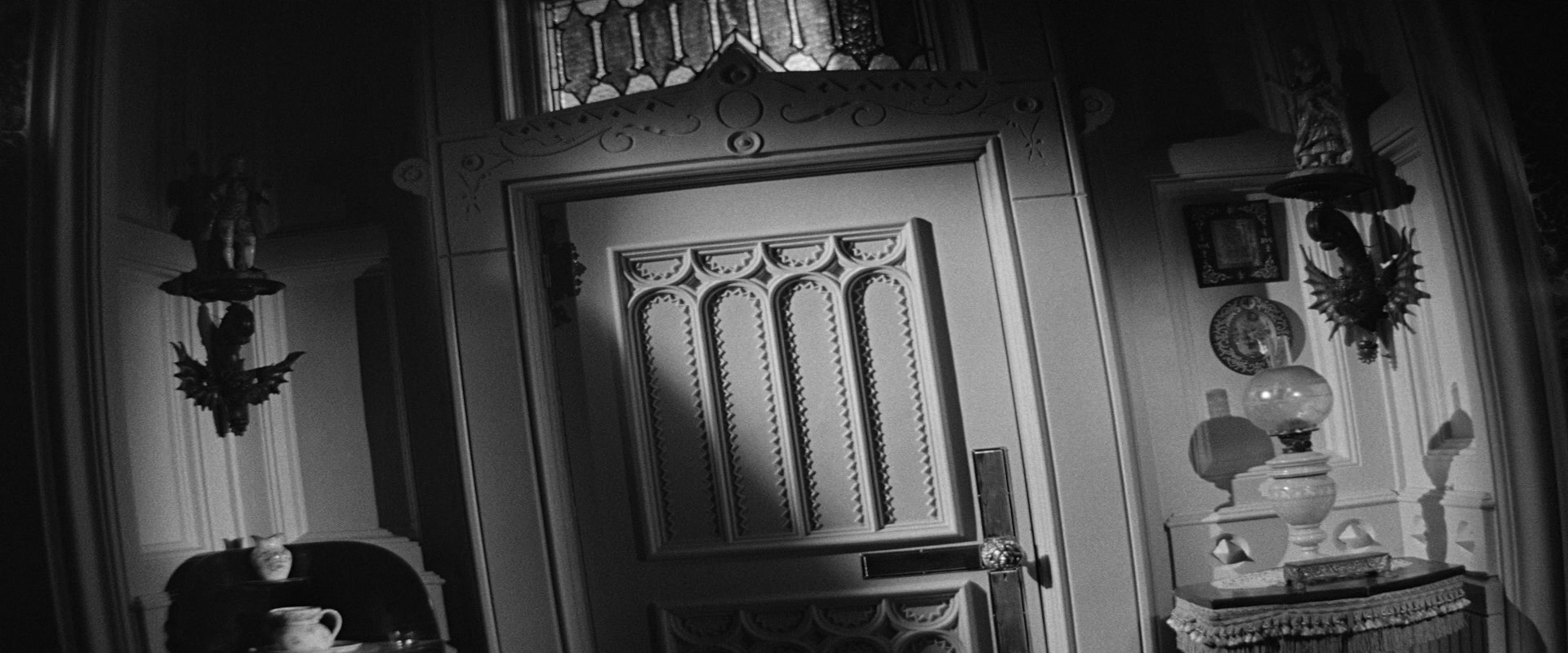
I’ve chosen to reject the familiar aesthetics of “gritty drug drama,” finding influence instead in a heightened emotional color palette. Visually, the film establishes a decisive contrast between the Trap and Reality. Inside the house, deep ambers, yellows, and shadowed tungsten warmth create a seductive yet hidden space. Reality is defined by cold blues: rain outside, the glow of a television screen, and the piercing light of the Glowfly. High-contrast lighting and practical techniques ground the surrealism in a tactile, physical world.
The film relies on in-camera effects: dolly zooms that stretch hallways, subtle lighting shifts, and spatial distortions that feel physically present rather than digitally imposed.
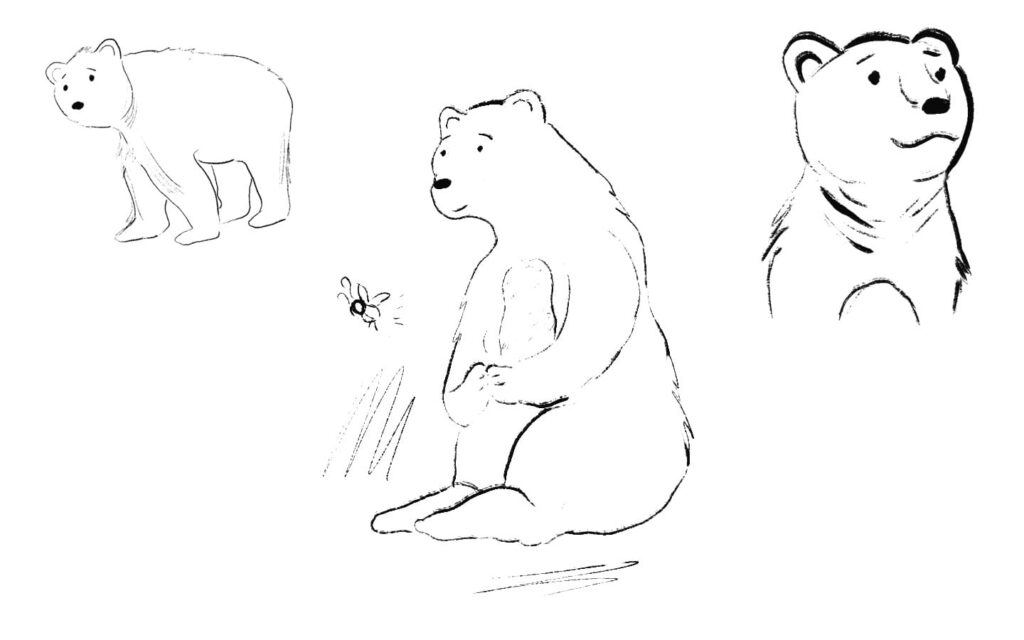
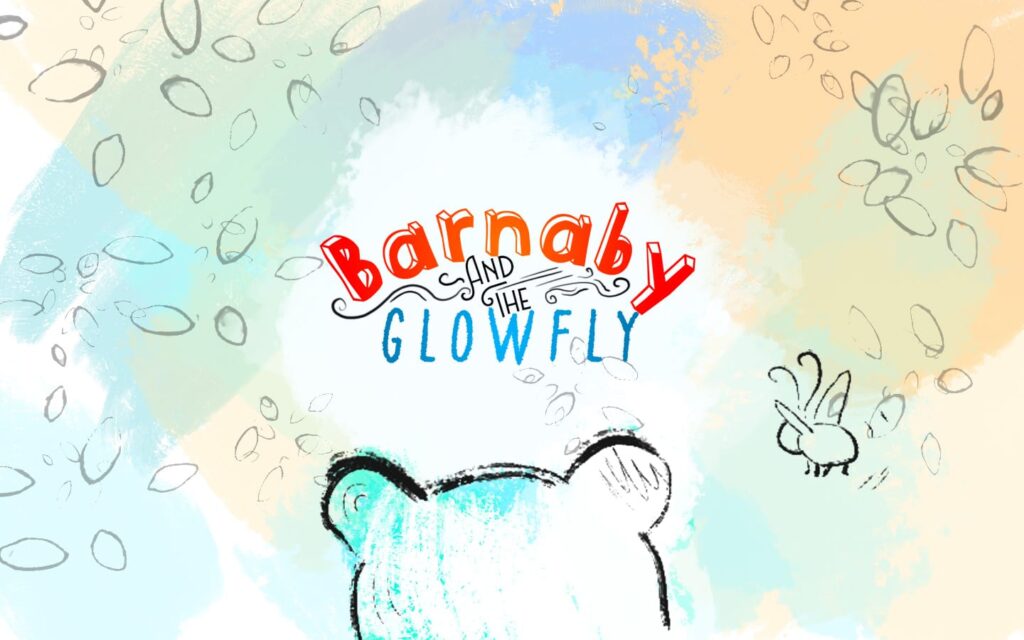
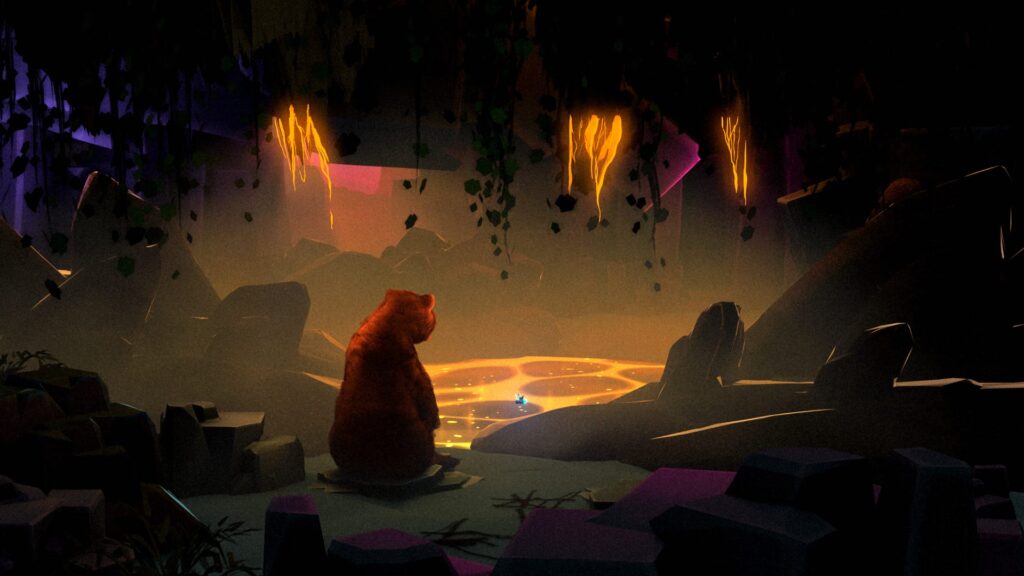
A core mixed-media element is Barnaby and The Glowfly, a custom 3D-animated show-within-the-film that mirrors Jonah’s internal fracture. Its innocent aesthetic, juxtaposed against the live-action struggle, creates dissonance that underscores the tragedy of addiction and the arrested development of the house’s Dealer.
Sound design treats the house as a living organism. Beyond creaks and ambience, the palette is digestive: walls groan and pipes swallow. The score is built around a single hypnotic organ motif inspired by Light My Fire by The Doors. This melody mutates and intensifies in sync with Jonah’s psychological state, structuring the film’s pacing and escalation.
This short serves as a proof-of-concept for a scalable anthology format in which the house remains the antagonist while its inhabitants change, demonstrating my approach to high-concept storytelling rooted in character.
MOOD BOARD: THE LOOK OF THE FILM
Barnaby and the Glowfly
Concept Art created by our animation lead, Matt O’Donnell
Inside The Trap House a television glows, “Barnaby and the Glowfly”. A deceptively innocent animated children’s cartoon that captivates the Dealer and reflects our protagonists internal fracture and spiritual battle.
Contact: Glen@Thetraphousefilm.com
THE TRAP HOUSE FILM LLC